Ketamine
Ketamine
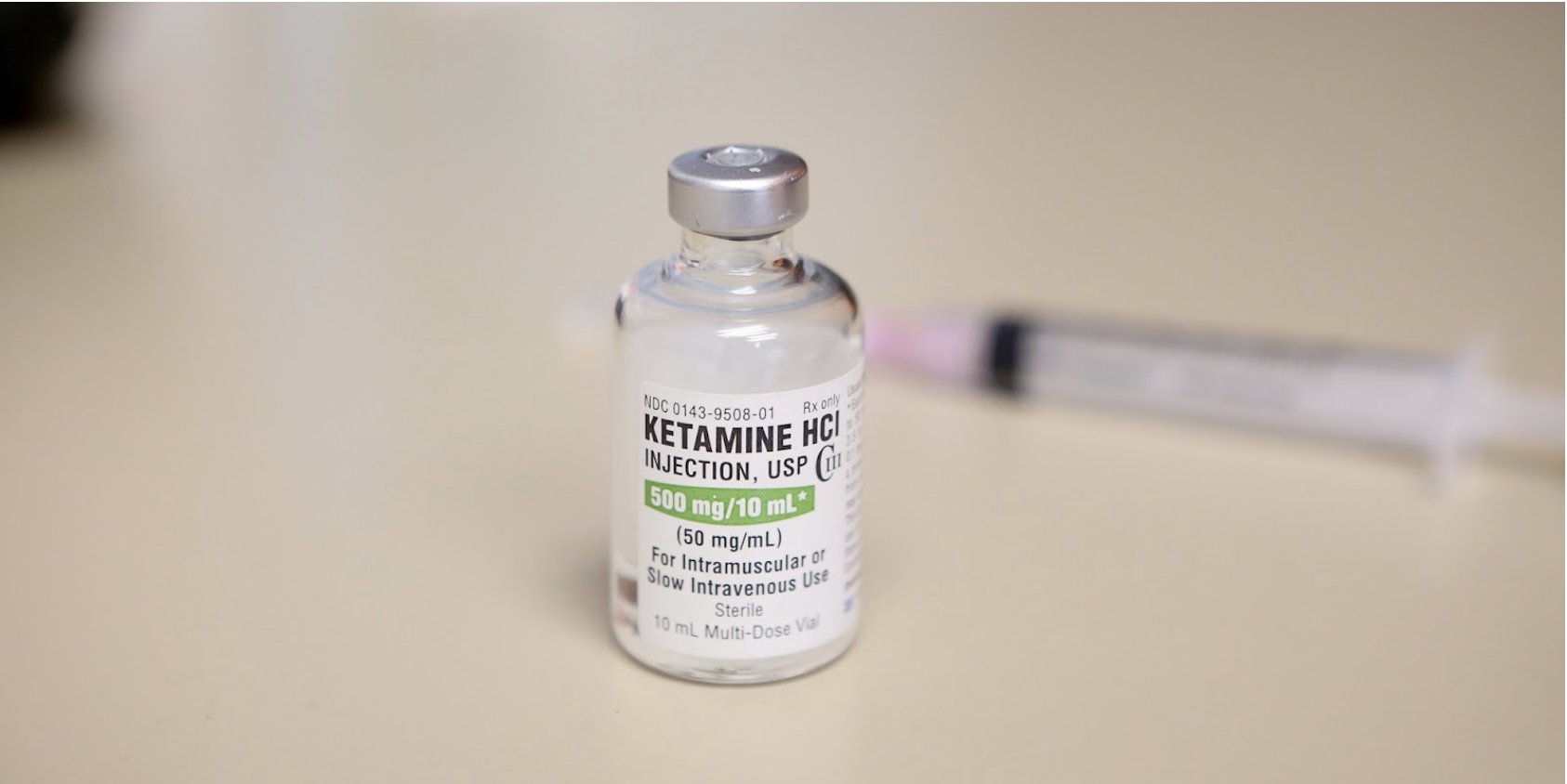
Ketamine is a dissociative anesthetic and analgesic used in human and veterinary medicine. Clinicians value it because, across a wide dosing range, it can provide sedation, amnesia, and strong pain relief while often preserving spontaneous breathing and airway reflexes. At the same time, ketamine can cause dose‑dependent perceptual and cognitive changes, dissociation, dreamlike imagery, and alterations in time and body awareness. This has shaped both its therapeutic applications and its misuse potential.
First synthesized in 1962 during efforts to develop a safer successor to phencyclidine (PCP), ketamine entered routine clinical use around 1970 and became especially prominent in emergency and military settings where a medication’s stability, portability, and respiratory safety can be decisive factors for selection in these environments. Decades later, the drug’s sub‑anesthetic positive effects on mood and suicidal thinking, sometimes within hours, triggered a new wave of psychiatric research and the introduction of intranasal esketamine under strict risk‑management frameworks.
This article provides a comprehensive overview of ketamine’s medical uses, adverse effects, pharmacology, chemistry and detection, history, and its relationship within society and culture.
Veterinary use
Ketamine has been a cornerstone of veterinary anesthesia and sedation for decades and remains one of the most widely used anesthetic agents in animal medicine worldwide. Its popularity in veterinary practice stems from a combination of reliability, broad species applicability, cardiovascular stability, and ease of administration across diverse clinical settings, including fieldwork and resource-limited environments.
In veterinary anesthesia, ketamine is commonly used for induction of anesthesia, short surgical procedures, and chemical restraint, particularly in small animals such as dogs and cats. It is also widely used in large animals and wildlife medicine where rapid immobilization and preservation of respiratory function are critical. Ketamine is frequently administered by intramuscular or intravenous routes, allowing for flexibility when venous access is limited or impractical.
Unlike many anesthetic agents that cause dose-dependent respiratory depression, ketamine typically preserves spontaneous respiration and airway reflexes in animals, making it especially useful in situations where intubation or advanced airway management is not feasible. Its sympathomimetic effects often maintain or increase heart rate and blood pressure, which can be advantageous in animals at risk of hypotension during anesthesia.
In veterinary practice, ketamine is rarely used as a sole anesthetic agent. Instead, it is commonly combined with other drugs to improve muscle relaxation, analgesia, and recovery quality. Common combinations include ketamine with benzodiazepines, alpha-2 adrenergic agonists, opioids, or inhalational anesthetics, depending on species and procedural requirements. These balanced anesthesia protocols reduce the likelihood of adverse effects such as muscle rigidity or dysphoric emergence reactions, which are well documented with ketamine monotherapy.
Ketamine’s dissociative properties are evident in animals as well, producing a characteristic anesthetic state marked by immobility, analgesia, and amnesia, while some reflexes remain intact. This dissociative anesthesia has made ketamine particularly valuable for fracture repair, wound management, diagnostic imaging, and minor surgical procedures in veterinary settings.
Beyond anesthesia, ketamine has been used in veterinary medicine for analgesia, particularly in perioperative pain control. Low-dose ketamine may reduce central sensitization and opioid requirements in animals, mirroring its opioid-sparing effects observed in human medicine. Its role in chronic pain management in animals is more limited and remains an area of ongoing investigation.
Ketamine is also widely used in zoological and wildlife medicine, including the immobilization of wild mammals for examination, tagging, relocation, or medical treatment. Its stability, predictable effects, and relative safety profile have made it a standard agent for wildlife veterinarians working in remote or challenging environments.
The extensive availability of ketamine in veterinary medicine has historically contributed to diversion into nonmedical and recreational channels, particularly through veterinary supply chains. This has influenced regulatory policies in several countries and is one reason ketamine is classified as a controlled substance despite its essential role in anesthesia.
Despite the development of newer anesthetic agents, ketamine remains indispensable in veterinary practice. Its versatility across species, clinical contexts, and geographic regions ensures its continued use as a fundamental tool in animal anesthesia and analgesia.
Medical Applications
Anesthesia and procedural sedation
Ketamine is used for induction and maintenance of anesthesia and for procedural sedation across emergency medicine, surgery, critical care, and pediatrics. Compared with many anesthetic agents, ketamine tends to produce less respiratory depression and may preserve protective airway reflexes, which is one reason it is widely used in prehospital and emergency department settings. It also generally maintains—or increases—blood pressure and heart rate through sympathetic stimulation, which can be advantageous in hypotensive trauma patients but can be problematic in patients with uncontrolled hypertension or certain cardiovascular conditions.
Clinically, ketamine is administered most commonly by intravenous (IV) or intramuscular (IM) routes for anesthesia and sedation. The onset is rapid, and the duration of clinical effect depends on dose, route, and patient factors. Emergence phenomena, vivid dreams, dysphoria, agitation, hallucinations, are well recognized during recovery and are managed with supportive care and, in some contexts, adjunct medications.
Pain
At sub‑anesthetic doses, ketamine is used as an analgesic adjunct in acute pain, perioperative pain, and selected chronic pain syndromes, particularly neuropathic pain and pain in opioid‑tolerant patients. A major clinical rationale is “opioid sparing”: ketamine can reduce postoperative opioid requirements and, in some settings, reduce opioid‑associated adverse effects such as nausea and vomiting. Evidence syntheses and consensus guidance describe perioperative ketamine as helpful for reducing postoperative pain intensity and opioid consumption, although protocols vary and benefit is not uniform across all surgeries or dosing regimens.
In emergency departments, sub‑dissociative ketamine has been studied as an alternative or adjunct to opioids for acute pain. Some meta‑analyses suggest ketamine may provide faster early analgesia than opioids in certain settings, while opioids may have longer durability; the comparative balance depends on route, dose, and patient selection.
Depression
Ketamine’s psychiatric use centers on major depressive disorder (MDD), particularly treatment‑resistant depression (TRD), and in some settings, acute suicidal ideation. The best‑studied approach for racemic ketamine is IV administration at sub‑anesthetic doses in monitored medical settings. Symptom improvement can occur within hours to days; however, benefits are often time‑limited without ongoing treatment or additional therapeutic support.
Intranasal esketamine (the S‑enantiomer) has regulatory approval in multiple jurisdictions for specific depressive indications and is subject to safety requirements that typically include observation after dosing, restrictions on driving the same day, and careful monitoring for sedation, dissociation, and blood‑pressure increases.
Clinical programs commonly emphasize that ketamine is not a standalone cure. For example, a Veterans Affairs ketamine preparation program frames ketamine as a catalyst that can open a window for behavioral change and recovery work. The program model describes structured preparation, supervised dosing, and a tapering approach over months, with emphasis on integration practices and broader mental health supports.
Facilitation and Therapeutic Context.
In psychiatric applications, ketamine is commonly administered
within a structured therapeutic framework that includes clinical supervision
and psychological support. Unlike many conventional psychiatric medications,
ketamine is often regarded not only as a pharmacological agent but also as a
facilitator of altered states of consciousness that may enhance psychological
processing. As a result, the context in which ketamine is administered has
become an important component of its therapeutic use.
Many clinical programs incorporate elements of facilitation, in which trained clinicians or therapists support patients before, during, and after ketamine administration. Prior to treatment, this may involve establishing rapport, fostering a sense of safety, and clarifying therapeutic intentions. During the acute phase of the experience, clinicians may provide reassurance or grounding as needed, particularly if the patient experiences anxiety or disorientation. Following the session, patients are often guided in reflecting on their experiences and exploring their potential psychological significance.
Within these models, ketamine is not typically viewed as a standalone intervention. Instead, it is used as part of a broader therapeutic process in which the subjective experience may contribute to clinical outcomes. This approach reflects a shift away from purely symptom-focused treatment toward models that incorporate both neurobiological and experiential dimensions of mental health care.
Classification Within Psychedelic-Assisted Therapies
Although ketamine is pharmacologically distinct from classical serotonergic psychedelics, it is increasingly included within the broader category of psychedelic-assisted or psychedelic-adjacent therapies. This classification is based less on its receptor profile and more on its capacity to induce altered states of consciousness that can influence perception, cognition, and emotional processing.
Ketamine primarily acts as an NMDA receptor antagonist, distinguishing it mechanistically from substances such as psilocybin or LSD, which act primarily through serotonin receptor systems. Despite this difference, ketamine can produce dissociative, dreamlike, and at times profound subjective experiences that share certain phenomenological features with psychedelic states. These may include alterations in the sense of self, changes in time perception, and the emergence of emotionally salient or symbolic content.
In clinical practice, ketamine is often used within structured protocols that emphasize preparation, controlled setting, and post-session integration. These elements closely parallel those used in psychedelic-assisted therapy, contributing to its inclusion within this broader therapeutic framework. Due to its established medical use, legal status, and growing evidence base, ketamine is frequently considered a transitional or bridging modality between conventional psychiatric treatments and emerging psychedelic therapies.
Preparation and Set and Setting
Preparation is widely recognized as an important component of ketamine treatment, particularly in psychiatric contexts. Clinical outcomes are understood to be influenced not only by the pharmacological properties of the drug but also by psychological and environmental factors, commonly referred to as “set and setting.” The term “set” refers to the patient’s mindset, expectations, and emotional state, while “setting” refers to the physical and interpersonal environment in which the treatment takes place.
Preparation typically involves providing patients with information about what to expect during the ketamine experience, including possible perceptual changes, dissociation, and alterations in emotional processing. Patients may also be encouraged to reflect on their intentions for treatment, such as specific symptoms they wish to address or broader goals related to personal growth and recovery. Establishing a sense of trust and safety with the treatment team is also considered essential, as it may reduce anxiety and improve the patient’s ability to engage with the experience.
Structured preparation programs may include multiple sessions designed to help patients develop coping strategies, such as grounding techniques or breathing exercises, that can be used if distress arises during treatment. Patients are often encouraged to approach the experience with openness and flexibility, while minimizing rigid expectations about specific outcomes. These preparatory measures are intended to support both safety and therapeutic effectiveness.
Integration and Post-Session Processing
Integration refers to the process of incorporating insights, emotional experiences, or cognitive shifts that occur during ketamine sessions into daily life. It is considered a central component of many psychiatric ketamine treatment models, particularly those influenced by psychedelic therapy frameworks.
While ketamine can produce rapid improvements in mood and reductions in depressive symptoms, these effects are often transient in the absence of ongoing psychological and behavioral engagement. Integration practices are therefore used to help extend and consolidate the benefits of treatment. These practices may involve psychotherapy, reflective exercises such as journaling, mindfulness or meditation techniques, and deliberate changes in behavior aligned with personal values and goals.
Some clinical models propose that ketamine induces a temporary state of increased neuroplasticity, during which the brain may be more receptive to new patterns of thought and behavior. Integration efforts during this period are intended to support the development of more adaptive cognitive and emotional processes. Patients are often encouraged to engage in structured self-work between sessions, including participation in therapy, lifestyle changes, and social or community support.
In certain treatment programs, ketamine is explicitly described as a tool or catalyst rather than a complete solution. Sustained improvement is understood to depend on the patient’s active participation in the therapeutic process, including efforts to apply insights gained during treatment to ongoing life circumstances.
Role in Comprehensive Psychiatric Care
Ketamine treatment is typically delivered as part of a broader, multimodal approach to mental health care. This reflects the understanding that conditions such as treatment-resistant depression are influenced by a combination of biological, psychological, social, and existential factors. As a result, ketamine is often used alongside other interventions, including pharmacotherapy, psychotherapy, and lifestyle modifications.
Within this framework, ketamine may serve several roles. It can provide rapid symptomatic relief, particularly in cases where conventional treatments have been ineffective. It may also facilitate shifts in perspective or emotional processing that can enhance engagement in psychotherapy. Additionally, it may help interrupt entrenched patterns of negative thinking, creating an opportunity for longer-term change.
Rather than replacing existing treatments, ketamine is generally integrated into ongoing care plans. Patients typically continue working with their primary mental health providers and may be encouraged to maintain or initiate other forms of treatment during and after ketamine therapy. This integrated approach is intended to maximize both the short-term and long-term benefits of treatment.
Seizures
Ketamine has been used as an adjunct in refractory and super‑refractory status epilepticus (RSE/SRSE), particularly when GABAergic agents fail during prolonged seizures. The mechanistic rationale is tied to seizure physiology: as status epilepticus continues, inhibitory GABA receptor function may diminish while excitatory NMDA receptor activity becomes more prominent, making NMDA antagonism an attractive target. Systematic reviews and case series report seizure cessation or improvement in a substantial proportion of RSE cases, though the overall evidence base remains largely observational and practice varies across institutions.
Asthma
Ketamine has been used in selected clinical settings for the management of severe asthma exacerbations, particularly status asthmaticus that is refractory to standard therapies. Its role in asthma treatment is based on a combination of bronchodilatory, sedative, and sympathomimetic properties, which may be advantageous in critically ill patients experiencing respiratory failure.
The bronchodilatory effects of ketamine are thought to arise from multiple mechanisms, including relaxation of bronchial smooth muscle, inhibition of vagal pathways, and indirect sympathetic stimulation. In addition, ketamine’s dissociative anesthetic effects can reduce agitation, oxygen consumption, and patient–ventilator dyssynchrony in intubated or near-intubation scenarios. These combined effects have led clinicians to consider ketamine as an adjunctive therapy when conventional bronchodilators, corticosteroids, and ventilatory strategies fail to adequately control airflow obstruction.
Clinical use of ketamine in asthma has been described primarily in case reports, case series, and small clinical trials, rather than large randomized controlled studies. In mechanically ventilated patients with life-threatening bronchospasm, ketamine has been reported to improve airway pressures, oxygenation, and carbon dioxide clearance. These effects may be particularly relevant in patients who require sedation for intubation, as ketamine can simultaneously provide sedation and potential bronchodilation without suppressing respiratory drive to the same extent as other agents.
Despite these theoretical and observed benefits, the overall evidence base for ketamine in asthma remains mixed. Some controlled studies have failed to demonstrate a significant bronchodilatory advantage over placebo when ketamine is administered at doses chosen to minimize adverse psychotomimetic effects. Differences in dosing, timing, patient selection, and outcome measures complicate interpretation of the literature. As a result, ketamine is not considered a first-line therapy for asthma exacerbations.
Current clinical consensus generally reserves ketamine for refractory cases, particularly in intensive care or emergency settings where patients are deteriorating despite maximal conventional therapy. In such contexts, ketamine may be selected not only for potential bronchodilation but also for its utility as a sedative agent during intubation or mechanical ventilation.
Adverse effects are an important consideration in asthma patients. Ketamine can increase heart rate and blood pressure, which may be problematic in individuals with cardiovascular comorbidities. Hypersalivation, nausea, and emergence reactions may also occur, though these are typically manageable in controlled settings. As with other uses, careful monitoring is essential.
In summary, ketamine occupies a limited but clinically significant niche in asthma management. While it is not routinely recommended for standard asthma exacerbations, it remains an option for selected patients with severe, treatment-resistant bronchospasm, particularly when sedation and airway management are simultaneously required. Ongoing research continues to clarify the circumstances under which ketamine’s benefits may outweigh its risks in this population.
Contraindications and precautions
Contraindications and cautions depend on the intended use (anesthesia, analgesia, or psychiatric administration) and the patient’s medical history. Clinicians commonly exercise caution or avoid ketamine in patients with uncontrolled hypertension, certain severe cardiovascular diseases, and conditions where sympathetic stimulation could be dangerous. Caution is also typical in severe liver disease, given ketamine’s hepatic metabolism and reports of hepatobiliary injury with prolonged or high‑dose exposure.
In psychiatric contexts, careful screening is common for active psychosis, uncontrolled bipolar mania, and severe substance use disorder, as ketamine can worsen perceptual disturbances and carries misuse potential. Across all uses, patients are typically advised not to drive or operate machinery on the day of treatment because sedation, altered cognition, and slowed reaction time can persist beyond the most noticeable acute effects.
Adverse effects
Ketamine’s adverse effects are dose‑related and context‑dependent. In medical settings, the most common short‑term effects include dizziness, nausea and vomiting, hypersalivation, nystagmus, transient confusion, and blood‑pressure and heart‑rate increases. Psychological effects—dissociation, anxiety, vivid dreams, perceptual changes—are common at sub‑anesthetic doses and are integral to the drug’s subjective profile.
Emergence reactions are well described after anesthetic dosing and may include agitation, frightening imagery, hallucinations, or delirium. These reactions are mitigated by calm environments, reassurance, and when appropriate, adjunct sedatives. In psychiatric treatment, programs often incorporate preparation, supportive setting, and post‑session debriefing to reduce distress and to promote safe integration of the experience.
Urinary and liver toxicity
Urinary tract toxicity (ketamine‑associated cystitis and uropathy)
A distinctive risk associated with frequent high‑dose ketamine exposure—particularly in long‑term recreational use—is ketamine‑associated cystitis and broader urinary tract injury. Reported manifestations include urinary frequency, urgency, dysuria, hematuria, bladder pain, reduced bladder capacity, and, in severe cases, upper tract involvement and renal impairment. Reviews describe a strong association between heavy ketamine use and cystitis‑like symptoms, with symptom improvement often reported after cessation, although severe cases may involve persistent damage requiring surgical or reconstructive interventions.
Hepatobiliary injury and liver toxicity
Ketamine is metabolized in the liver, and hepatobiliary complications have been reported in association with prolonged high‑dose exposure, including both therapeutic infusions (e.g., prolonged ICU sedation) and chronic recreational use. Contemporary case series describe cholestasis and cholangiopathy in young adults with chronic recreational ketamine use. Additional reviews discuss a spectrum of findings from mild laboratory abnormalities to more serious cholangiopathic injury requiring medical intervention. Because these events are uncommon in routine single‑dose anesthesia, they are most relevant for repeated exposure and maintenance regimens.
Near‑death experiences (NDE) and dissociative phenomenology
Ketamine has long been discussed in relation to near‑death‑experience‑like phenomenology—experiences of leaving the body, traveling through tunnels or voids, encountering vivid beings or environments, and a strong sense of meaning or “realness.” These reports are not uniform, and ketamine does not reproduce NDEs in a deterministic way. Nevertheless, researchers have argued that ketamine’s ability to disrupt multisensory integration, bodily self‑representation, and memory binding may help explain why some individuals describe out‑of‑body or NDE‑like experiences under dissociative anesthesia or high doses. Recent qualitative and theoretical work continues to explore how ketamine’s neurophysiology can generate these experiences without requiring the brain to be near death.
Brain changes and cognition in long‑term recreational users
Concerns about “brain damage” from ketamine are often discussed in public discourse. In the research literature, the clearest signal comes from studies of chronic recreational users with multi‑year exposure and high average intake. Neuroimaging reviews and individual imaging studies have reported associations between long‑term heavy ketamine use and reduced gray matter volume, altered white matter integrity, and connectivity differences in brain networks involved in cognition and affect. Cognitive findings in chronic users have included deficits in memory, attention, and executive function in some cohorts. These associations do not automatically prove causation, and confounding factors (polysubstance use, sleep deprivation, pre‑existing conditions) complicate interpretation. However, the consistency of findings across multiple studies supports concern about neurocognitive harm in sustained heavy use.
Interactions
Ketamine’s effects can be altered by co‑administered substances. Central nervous system depressants (such as alcohol, benzodiazepines, and opioids) can increase sedation and impairment and may raise the risk of dangerous behavior or accidents outside clinical supervision. In monitored medical settings, co‑medication may be used strategically (for example, to mitigate agitation), but unsupervised mixing is discouraged.
In psychiatric contexts, clinicians also consider potential interactions that could blunt response or increase adverse effects. For example, some clinics observe that benzodiazepines may reduce ketamine’s antidepressant response in certain patients, though findings are not uniform. Because ketamine is metabolized by hepatic enzymes, strong enzyme inhibitors or inducers could plausibly alter exposure; however, clinically significant interactions vary and should be evaluated case‑by‑case.
Pharmacology
Mechanism of action
Ketamine’s most recognized pharmacodynamic action is non‑competitive antagonism of the NMDA receptor, an ionotropic glutamate receptor. Ketamine acts as a channel (pore) blocker at the NMDA receptor, preferentially affecting active receptors. By reducing NMDA‑mediated signaling—particularly on inhibitory interneurons—ketamine can disinhibit pyramidal neurons and increase glutamate release in cortical and limbic circuits.
Downstream, ketamine’s glutamatergic effects can increase AMPA receptor throughput and engage intracellular signaling cascades linked to synaptic plasticity. These changes are among the leading biological hypotheses for ketamine’s rapid antidepressant effects, differentiating it from conventional antidepressants that act primarily on monoaminergic systems and often require weeks of treatment to produce clinical benefits.
Molecular targets
Although NMDA antagonism is central, ketamine is pharmacologically “dirty” in the sense that it interacts with multiple targets across the nervous system. It exhibits activity—often weaker than its NMDA action—at opioid receptors, sigma receptors, monoaminergic transporters, nicotinic and muscarinic receptors, and voltage‑gated ion channels. These interactions may contribute to specific clinical effects (analgesia, arousal, perceptual changes), adverse effects, and inter‑individual variability.
Ketamine’s enantiomers have different NMDA receptor affinities. Evidence syntheses describe S‑ketamine as having roughly three‑ to four‑fold higher affinity at the NMDA receptor site than R‑ketamine, corresponding to greater potency for anesthesia and analgesia. The R‑enantiomer, while less potent at NMDA receptors, has been investigated for antidepressant potential with possibly less dissociation, though the translation of these differences into consistent clinical advantages remains an active research area.
Relationships between levels and effects
Ketamine’s clinical profile is strongly dose‑dependent. At sub‑dissociative doses, analgesia and mild psychoperceptual changes predominate. As dosing increases into dissociative ranges, patients may experience more profound detachment from the environment and body, with impaired sensory integration and memory formation. At anesthetic doses, ketamine produces a trance‑like dissociative anesthesia with amnesia and marked analgesia.
The relationship between dissociation and antidepressant response is complex. Some patients experience antidepressant benefits with minimal dissociation, while others report that the dissociative experience correlates with subjective relief. Current evidence supports the view that dissociation is neither necessary nor sufficient to explain antidepressant response; rather, it may reflect overlapping neurobiological processes (glutamatergic modulation and network reconfiguration) that can be experienced differently across individuals.
Pharmacokinetics
Ketamine is rapidly distributed after IV or IM administration and is extensively metabolized in the liver, producing norketamine and additional metabolites. Bioavailability depends on route: IV delivery provides full systemic exposure, IM delivery is high, intranasal delivery is moderate, and oral delivery is lower due to first‑pass metabolism. Elimination half‑life is commonly described in the range of a few hours, but subjective and functional impairment can persist longer depending on dose, context, and individual metabolism.
Chemistry, structure, and detection
Ketamine is an arylcyclohexylamine with a chiral center, giving rise to R‑ and S‑enantiomers. The drug is formulated for medical use most commonly as an injectable solution, and it is also available in intranasal delivery systems for approved indications of esketamine. In nonmedical contexts, ketamine may appear as a liquid diverted from veterinary or medical formulations or as crystalline powder.
Detection of ketamine and metabolites may be performed using analytical methods such as gas chromatography–mass spectrometry (GC‑MS) or liquid chromatography–tandem mass spectrometry (LC‑MS/MS). Immunoassay screening may detect ketamine in some testing panels, but confirmatory testing is typically required for specificity, particularly given the evolving landscape of designer dissociatives.
History
Ketamine was first synthesized in 1962 (developmental code CI‑581) by Dr. Calvin Stevens as part of a search for anesthetic agents with fewer adverse psychological effects than PCP. Early human studies demonstrated a short duration of action and a characteristic “dissociative” state. The term “dissociative anesthesia” entered the clinical vocabulary to describe the distinctive appearance and behavioral profile of ketamine anesthesia. After U.S. approval around 1970, ketamine saw extensive use during the Vietnam War and became established in emergency medicine, anesthesia, and veterinary practice.
The modern psychiatric era for ketamine began around 2000 with reports of rapid antidepressant effects at sub‑anesthetic doses, widely described as a major advance in depression therapeutics. This research line helped catalyze the development and approval of intranasal esketamine under controlled distribution and monitoring frameworks.
Society and culture
Legal status
Ketamine is legally marketed for medical use in many countries while also being controlled because of misuse potential. In the United States, ketamine is classified as a Schedule III controlled substance; U.S. DEA fact sheets describe its scheduling history and diversion risks. In the United Kingdom, ketamine is controlled as a Class B drug, and policy discussions have periodically revisited classification in response to trends in recreational use and associated harms. Regulations vary across jurisdictions, influencing availability, clinical practice, and patterns of misuse.
Recreational use
Recreational ketamine is sought for dissociative and hallucinogenic effects and is commonly referred to as “K” or “Special K.” Patterns of use range from occasional use to heavy daily consumption in some individuals. Public health concerns focus on accidents and injuries during intoxication, impairment while driving, co‑use with other substances, and—especially—urinary tract injury and possible neurocognitive harm with sustained heavy use. Recent media reporting in the UK has highlighted rising ketamine‑related urology cases in young people, consistent with the clinical literature documenting ketamine‑associated uropathy.
Research
Major research directions include optimizing ketamine protocols for depression (dose, route, frequency, maintenance strategies), clarifying predictors of response, and separating therapeutic benefit from adverse subjective experiences. Comparative research examines racemic ketamine versus esketamine and explores whether R‑ketamine or specific metabolites might offer antidepressant effects with reduced dissociation. Additional research investigates ketamine’s role in pain management, opioid‑sparing strategies, and refractory neurological emergencies such as status epilepticus. Safety research increasingly focuses on long‑term exposure, urinary and hepatobiliary complications, and strategies to minimize misuse and dependence.
References
[1] World Health Organization (WHO). WHO Model Lists of Essential Medicines (updated every two years; 2025 lists released 5 Sep 2025).
[2] WHO Electronic Essential Medicines List (eEML): Ketamine medicine entry.
[3] U.S. Food and Drug Administration (FDA). SPRAVATO® (esketamine) nasal spray prescribing information (latest label updates).
[4] U.S. Drug Enforcement Administration (DEA). Drug Fact Sheet: Ketamine (2020).
[5] DEA. Drug Scheduling overview (Controlled Substances Act schedules).
[6] Brinck ECV, Tiippana E, Heesen M, et al. Perioperative intravenous ketamine for acute postoperative pain in adults. Cochrane Database of Systematic Reviews (2018).
[7] Schwenk ES, Viscusi ER, Buvanendran A, et al. Consensus Guidelines on the Use of Intravenous Ketamine Infusions for Acute Pain Management (2018).
[8] Bell RF, Eccleston C, Kalso EA. Ketamine for pain management. Pain Reports (2018).
[9] Zeiler FA, Teitelbaum J, West M, Gillman LM. Early use of ketamine in refractory status epilepticus (systematic review) (2015).
[10] Höfler J, Trinka E. (S)-Ketamine in refractory and super-refractory status epilepticus (2016).
[11] Goyal S, Agrawal A. Ketamine in status asthmaticus: a review (2013).
[12] Howton JC, Rose J, Duffy S, et al. Randomized placebo-controlled trial of IV ketamine in acute asthma exacerbations (1996).
[13] Anderson DJ, et al. Ketamine-Induced Cystitis: A Comprehensive Review (2022).
[14] Zhou J, et al. Current approaches for the treatment of ketamine-induced cystitis / uropathy (2023).
[15] Garkusha LK, et al. Recreational ketamine-induced cholangiopathy: case series (2024).
[16] Waheed HW, et al. Hepatobiliary complications associated with ketamine use (review) (2025).
[17] Strous JFM, et al. Brain Changes With Long-Term Ketamine Abuse (review) (2022).
[18] Wang C, et al. Brain damages in ketamine addicts by MRI (2013).
[19] Fritz P, et al. Near-Death Experience During Emergency Ketamine Use (2025).
[20] Ketamine. Wikipedia (accessed for topic coverage and section taxonomy; not used as text source).
[21] VA San Diego Healthcare System Neuromodulation Clinic. Ketamine Preparation Group Veteran Manual (Version 2.0, Sept 2025).